If you’re hunting for a turkey recipe that’s juicy, flavorful, and honestly a little easier than you think, you have to try this Buttermilk Brined Turkey Recipe. I absolutely love how this method makes the turkey tender with a nice tang from the buttermilk, plus the subtle heat from hot sauce really wakes up the flavor. When I first tried this, it quickly became a Thanksgiving staple in our home—my family goes crazy for it every year. Keep reading because I’ll walk you through all my favorite tips and tricks to nail it every time.
Why You’ll Love This Recipe
- Effortless Brining: No boiling or chilling the brine—just pour, add your turkey, and fridge it for 24 hours.
- Flavor-Packed: Buttermilk tenderizes while hot sauce adds a subtle kick that stands out.
- Perfectly Moist: This method locks in juicy goodness so every slice feels like a little slice of heaven.
- Simple Ingredients: You probably already have everything you need, no fancy equipment required.

Ingredients You’ll Need
These ingredients come together with a purpose: buttermilk acts as a gentle brining powerhouse, the hot sauce wakes up flavor, and fresh herbs add that classic holiday aroma. Shopping tip? Grab a fresh turkey that’s fully thawed to get the best results with this brine.
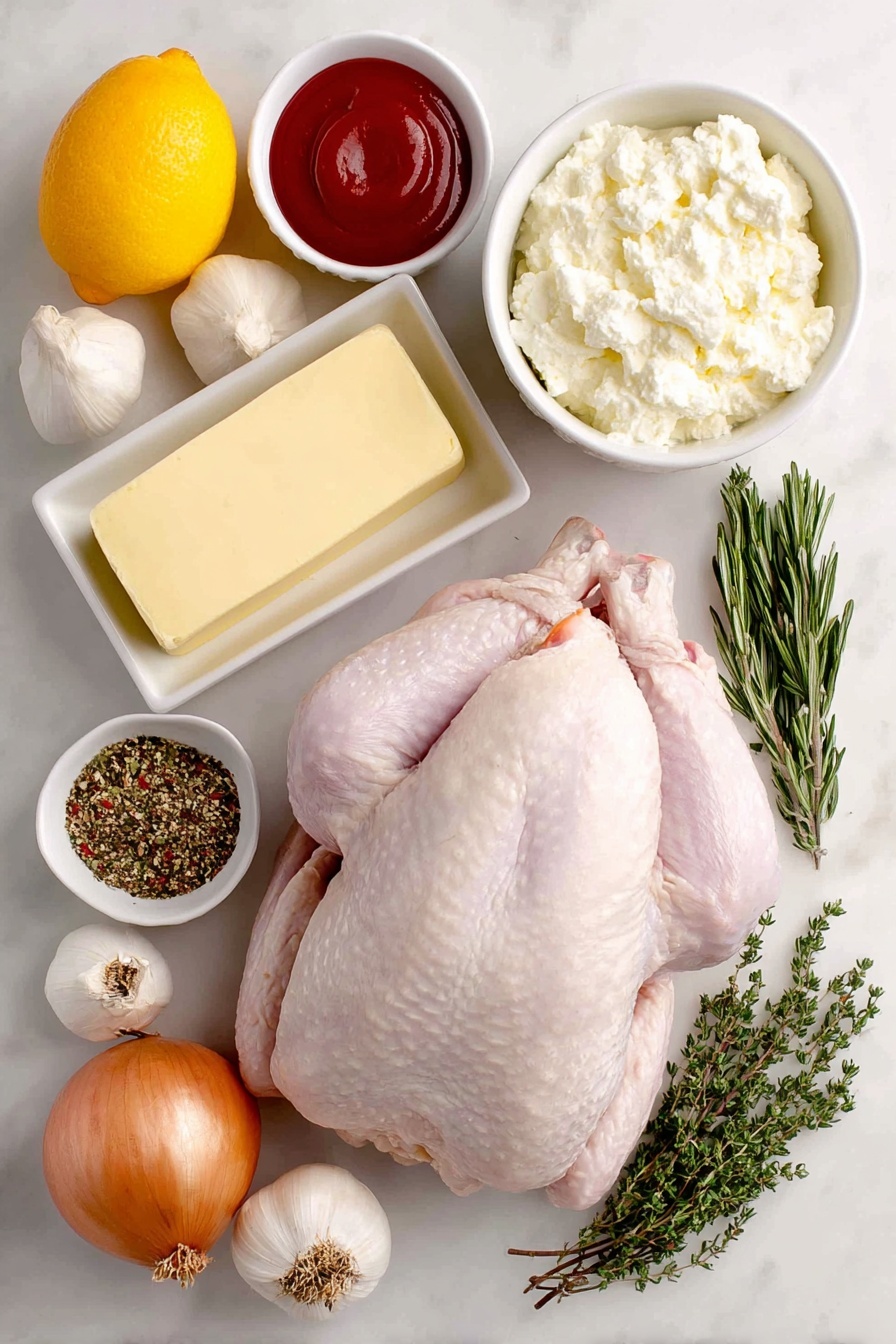
- Fresh defrosted turkey: Choose your favorite brand and size between 15-20 lbs—the fresher, the better!
- Buttermilk: The star of the show, it tenderizes and adds tang without overwhelming.
- Hot sauce: Frank’s works brilliantly here, but feel free to use your go-to spicy favorite.
- Salted butter: Room temperature butter spreads easier and seals in moisture when roasting.
- All-purpose seasoning: I adore a good Creole blend for that extra savory punch.
- Onion, lemon, orange: These aromatics go inside the cavity for bright, fragrant notes.
- Garlic bulb: Roasts beautifully inside the turkey and infuses subtle richness.
- Fresh thyme, rosemary, sage: Classic herbs that’ll make your kitchen smell incredible.
Variations
I’m all about making recipes your own, so I love mixing things up with this buttermilk brined turkey recipe. Whether you want to dial up the heat or swap out herbs based on what’s fresh, you’ve got room to play.
- Spicy twist: I once bumped up the hot sauce to 3/4 cup for a bit more zing, and my spice-loving guests gave it two thumbs up.
- Herb variations: Adding fresh sage and thyme is classic, but I also throw in tarragon or oregano if that’s what I have on hand.
- Dairy-free option: If you want to skip buttermilk, you can try a yogurt-based brine—but the tang and tenderizing power is unbeatable with buttermilk.
- Smoky flavor: Try adding smoked paprika to the seasoning blend to add a subtle smoky depth without needing a smoker.
How to Make Buttermilk Brined Turkey Recipe
Step 1: Prep and Brine Your Turkey
First things first: remove the gizzards and neck from the cavity and set those aside (they’re great for homemade stock if you’re feeling ambitious). Then, whisk together the buttermilk and hot sauce in a large stockpot or a big brining bag. Place your turkey breast side down in the buttermilk bath, making sure it’s well covered. Pop it in the fridge and let it soak up all those flavors for 24 hours. This overnight rest is where the magic happens—your turkey will thank you with juicy, tender meat.
Step 2: Butter and Season Before Roasting
After the brine, take your turkey out and wipe off most—but not all—of the buttermilk. A little left behind helps build flavor and browning. Then, let it come up a bit to room temperature while you preheat your oven to 325°F. Next, spread that room-temp salted butter all over the turkey, which creates a beautiful golden crust and keeps the meat juicy. Sprinkle on your favorite all-purpose seasoning blend for extra oomph. If you want, stuff the turkey cavity with onion, lemon, orange, garlic, and your fresh herbs—trust me, this step adds an irresistible aroma as it roasts.
Step 3: Roast and Rest with Confidence
Fill the bottom of your roasting pan with water, broth, or wine to catch those flavorful drippings (which make incredible gravy, btw). Cover the turkey loosely with foil to prevent over-browning during the first hour. After an hour, remove the foil and roast for an additional 2 to 3 hours until the internal temperature hits 180°F in the thickest part of the thigh. This takes patience, but you’ll be rewarded with perfectly cooked turkey every time. Once out of the oven, rest the turkey for 20 minutes—this step is crucial for keeping the juices in before carving.
Pro Tips for Making Buttermilk Brined Turkey Recipe
- Give It Time: Don’t rush the 24-hour brine—it’s essential for tender, juicy meat.
- Butter Before Seasoning: Spreading softened butter first helps the seasoning stick and creates a better crust.
- Use a Meat Thermometer: I’ve learned to rely on an instant-read thermometer to avoid overcooking and drying out the turkey.
- Rest is Key: Let your turkey rest uncovered for at least 20 minutes—I once skipped this and ended up with dry slices; don’t make that mistake!
How to Serve Buttermilk Brined Turkey Recipe
Garnishes
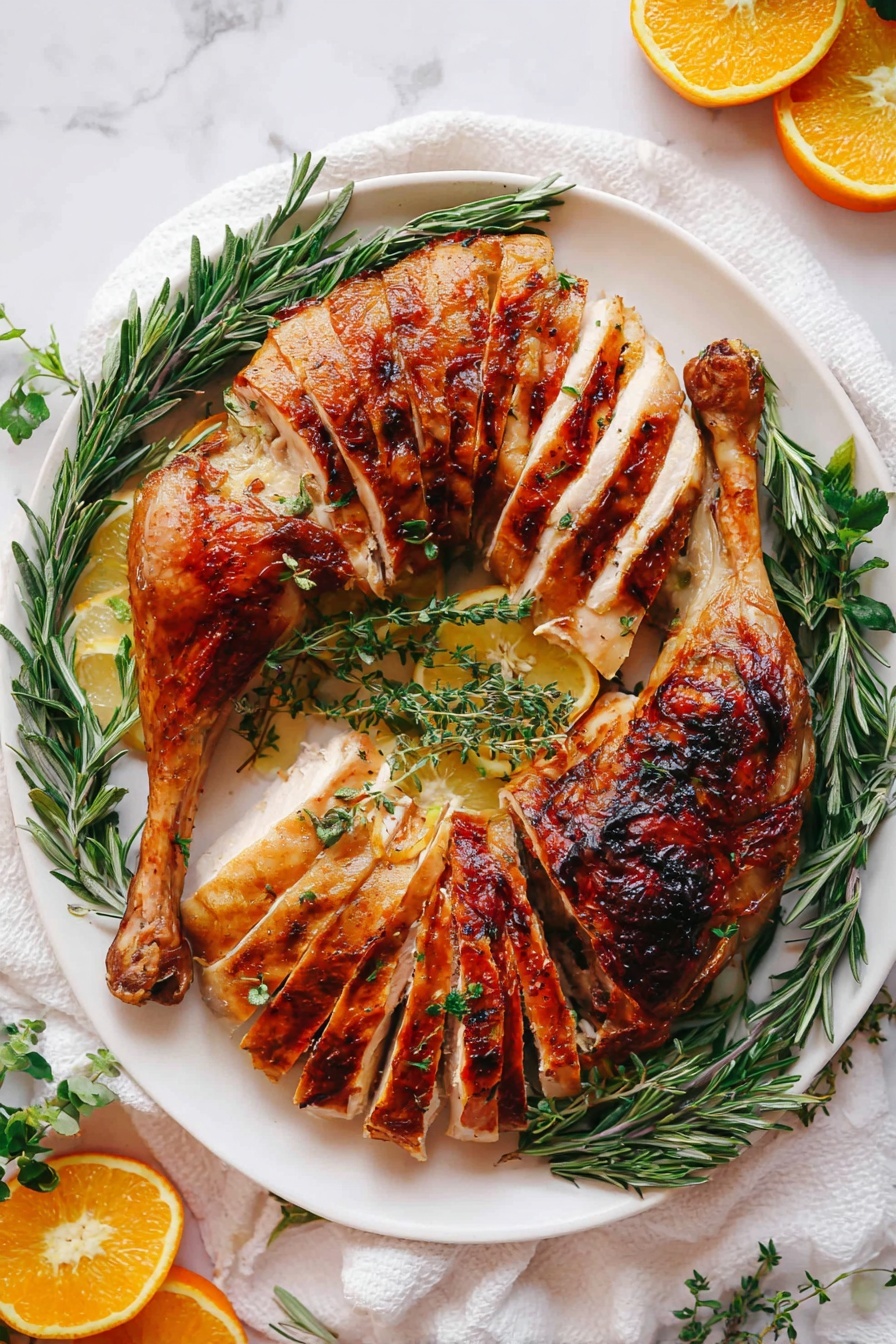
I love garnishing my turkey platter with fresh sprigs of rosemary and thyme—it makes the whole table smell amazing and adds a beautiful touch. Slices of fresh orange and lemon around the platter brighten the visual appeal and remind everyone of those cozy citrus notes inside the bird.
Side Dishes
For sides, I always pair this turkey with classic mashed potatoes, roasted Brussels sprouts with bacon, and a tangy cranberry sauce. The turkey’s richness balances perfectly with the crisp veggies and fruity sauce—you’ll enjoy the harmony of flavors on your plate.
Creative Ways to Present
One year, I roasted the turkey on a bed of fresh herbs and orange slices in the pan, then transferred everything to a large wooden platter right before serving. It made a stunning centerpiece and guests loved picking at the herbs and fruit. Don’t be shy to decorate the platter—adding edible flowers or colorful veggies can turn your turkey into a showstopper.
Make Ahead and Storage
Storing Leftovers
Once your feast is over, I like to slice leftover turkey into thin pieces and store it in airtight containers with a little bit of the pan juices poured over to retain moisture. This prevents the meat from drying out in the fridge and keeps it delicious for up to four days.
Freezing
Freezing cooked turkey works well too—I portion leftovers in freezer bags with some broth for added moisture. I’ve found that freezing this way preserves flavor and texture nicely for up to three months.
Reheating
To reheat your turkey without drying it out, I gently warm slices covered in foil with a splash of broth in a low oven (around 300°F). Alternatively, reheating in a microwave with a damp paper towel over the meat works in a pinch—just don’t overdo it!
FAQs
-
How long should I brine the turkey in buttermilk?
For the best results with this Buttermilk Brined Turkey Recipe, plan on brining the turkey for 24 hours in the fridge. This gives the buttermilk enough time to tenderize the meat and for the flavors to soak in without making it mushy.
-
Can I use frozen turkey for this recipe?
It’s crucial that the turkey is fully defrosted before brining to allow even absorption of flavors. If your turkey is frozen, allow several days in the fridge to thaw completely before starting the buttermilk brine process.
-
Do I need to rinse the turkey after brining?
No need to rinse your turkey after taking it out of the buttermilk brine. Simply wipe off most of the brine, leaving a thin coat on the surface. This helps with browning and flavor development when roasting.
-
What temperature should I roast the turkey to?
Roast the turkey until the internal temperature reaches around 180°F in the thickest part of the thigh. This ensures the meat is fully cooked but still juicy. Remember to check with a reliable meat thermometer!
-
Can I brine the turkey for less than 24 hours?
While you can brine for less time, 24 hours gives the best balance of flavor and tenderness. Shorter times might not penetrate the meat fully, so I recommend sticking to a full day if possible.
Final Thoughts
I can’t recommend this Buttermilk Brined Turkey Recipe enough if you’re aiming for a holiday centerpiece that’s bursting with flavor and stays juicy no matter what. I used to struggle with dry, bland turkey until I discovered this trick! It truly simplifies the brining process without sacrificing taste. Trust me, once you try it, it’ll be your go-to for every festive gathering. Go ahead—give it a shot and watch your family rave around the dinner table!
Print
Buttermilk Brined Turkey Recipe
- Prep Time: 1440 min
- Cook Time: 240 min
- Total Time: 1680 min
- Yield: 12 servings
- Category: Main Course
- Method: Baking
- Cuisine: American
Description
This Thanksgiving Buttermilk Brined Turkey is an incredibly moist and flavorful turkey recipe that uses a simple buttermilk and hot sauce brine. The buttermilk tenderizes the turkey, while the hot sauce adds a subtle tang and spice. After a 24-hour brine, the turkey is seasoned with butter and all-purpose seasoning, stuffed with aromatics, and roasted low and slow to perfection. The result is a golden, juicy turkey with a beautifully crisp skin that’s perfect for your holiday dinner.
Ingredients
Turkey and Brine
- 1 15-20 lbs fresh defrosted turkey (such as Jennie-O)
- 1 gallon buttermilk
- 1/2 cup hot sauce (such as Frank’s)
Seasoning and Aromatics
- 1 stick salted butter (room temperature)
- 2 tbsp your favorite all-purpose seasoning (such as a Creole blend)
- 1 onion
- 1 lemon
- 1 orange
- 1 bulb garlic
- 2 sprigs fresh thyme
- 2 sprigs fresh rosemary
- 2 sprigs fresh sage
Instructions
- Prepare the Turkey: Remove gizzards and turkey neck from the cavity and set aside. These can be saved for making gravy or stock if desired.
- Brine the Turkey: In a large brining bag or stockpot, combine the buttermilk and hot sauce. Add the turkey breast side down and ensure it is fully submerged. Cover and refrigerate for 24 hours to allow the bird to absorb the flavors and tenderize.
- Preheat Oven and Prepare Turkey for Roasting: After 24 hours, remove turkey from brine and gently wipe off excess brine, leaving a thin layer to enhance flavor. Place the turkey on a roasting pan and let it come to room temperature while preheating your oven to 325°F (163°C).
- Season the Turkey: Smear the softened butter all over the turkey’s skin, ensuring full coverage. Sprinkle your favorite all-purpose seasoning evenly over the buttered turkey for additional flavor.
- Stuff the Turkey: If desired, stuff the turkey cavity with the onion, lemon, orange, garlic cloves, and fresh herbs such as thyme, rosemary, and sage. These aromatics will infuse the turkey with fragrant notes as it roasts.
- Prepare the Roasting Pan: Pour a cup or so of water, broth, or wine into the bottom of the roasting pan to catch drippings and keep the turkey moist as it cooks.
- Initial Baking: Cover the turkey loosely with aluminum foil to prevent over-browning. Bake in the preheated oven for 1 hour.
- Finish Roasting: Remove the foil and continue baking the turkey for an additional 2 to 3 hours. Cook until a meat thermometer inserted into the thickest part of the thigh registers 180°F (82°C), indicating it is fully cooked.
- Rest the Turkey: Remove the turkey from the oven and let it rest undisturbed for 20 minutes. This allows the juices to redistribute, ensuring the meat is juicy and tender when carved.
Notes
- This buttermilk brined turkey recipe is one of the easiest ways to brine a turkey, requiring no boiling or cooling of brine.
- The buttermilk tenderizes the meat while the hot sauce adds a subtle spicy flavor, making it exceptionally moist and flavorful.
- You can save the reserved neck and gizzards to make homemade gravy or stock for added richness.
- Low and slow roasting at 325°F helps ensure even cooking without drying out the bird.
- Resting the turkey after roasting is essential to keep the meat juicy and easy to carve.
Nutrition
- Serving Size: 1 serving (approx. 8 oz cooked turkey)
- Calories: 350
- Sugar: 1 g
- Sodium: 550 mg
- Fat: 22 g
- Saturated Fat: 8 g
- Unsaturated Fat: 12 g
- Trans Fat: 0 g
- Carbohydrates: 2 g
- Fiber: 0.5 g
- Protein: 34 g
- Cholesterol: 110 mg