


If you’ve ever craved a bowl of comforting, umami-packed Japanese soup but thought it was too complicated to make at home, I’ve got good news for you! This Easy Miso Soup Recipe is exactly what you need when you want something quick, nourishing, and delicious without any fuss. I absolutely love how this soup comes together in under 10 minutes and tastes just like the bowl I order when dining out—maybe even better because it’s customized to my liking. Whether you’re new to miso soup or a longtime fan, you’ll find this version simple, adaptable, and incredibly satisfying.
Why You’ll Love This Recipe
- Super Quick to Make: From start to finish, this miso soup takes less than 10 minutes, perfect for busy days.
- Authentic Flavor with Minimal Ingredients: Using hondashi powder and miso paste means deep flavor without complicated prep.
- Customizable and Gluten-Free: You can easily swap ingredients depending on your taste and dietary preferences.
- Comforting and Healthy: Tofu and seaweed make this a light yet nourishing soup that feels like a warm hug in a bowl.

Ingredients You’ll Need
This Easy Miso Soup Recipe uses simple pantry staples that come together perfectly for that classic miso soup taste. I always keep these ingredients on hand because they’re versatile beyond just soup. A quick note: I suggest getting good quality miso paste and real dried wakame for the best results—it makes a noticeable difference in flavor and texture.

- Water: The base for your broth—simple, clean water works best to let the flavors shine.
- Hondashi powder: This is a lifesaver for making dashi broth quickly; it instantly infuses umami goodness.
- Wakame seaweed: Dry wakame expands a lot when rehydrated, so cutting into smaller pieces keeps it easy to eat.
- Tofu: I love using firm or medium tofu because it holds up well, but silken tofu works too if you like it super soft.
- Gluten-free miso paste: White, yellow, or red miso all work—choose based on your flavor preference and dietary needs.
- Green onion: Optional, but I always add it for that fresh, slightly sharp finish.
Variations
I’ve found that part of the fun with this Easy Miso Soup Recipe is how easy it is to make it your own. Depending on what I have in the fridge or my mood, I switch up veggies or add some proteins, making it feel new every time. You’ll enjoy finding your perfect version!
- With mushrooms: Adding thinly sliced shiitake or enoki mushrooms gives an extra earthy umami punch that my family goes crazy for.
- Spicy kick: I sometimes sprinkle in a pinch of chili flakes or a few drops of chili oil to warm things up on cooler nights.
- Vegan twist: Skip the hondashi if it contains fish and use kombu seaweed for a vegan dashi base; you’ll still get amazing flavor.
- Heartier version: Toss in some cooked noodles or rice for a light but more filling meal.
How to Make Easy Miso Soup Recipe
Step 1: Build Your Broth with Hondashi, Wakame & Tofu
Start by bringing 4 cups of water to a boil in a medium pot. Once boiling, stir in 1 teaspoon of hondashi powder to instantly create that essence of dashi broth without the fuss. Immediately add your ¼ cup of dried wakame seaweed (breaking it into smaller pieces first) along with 8 ounces of cubed tofu. This step gives the soup its foundational texture and flavor. You’ll notice the wakame starting to plump up within minutes—that’s exactly what you want!
Step 2: Simmer Gently to Rehydrate and Warm
Once everything’s in the pot, bring the soup back to a gentle boil and then reduce the heat to a high simmer. Let it cook for around 3 minutes—just enough time for the wakame seaweed to fully rehydrate and for the tofu to soak up some of that warm, savory flavor. Keep an eye on it so it doesn’t boil aggressively; a nice simmer is ideal here to preserve the delicate ingredients.
Step 3: Add Miso Paste Off the Heat for Best Flavor
This is the trickiest but most important part: turn off the heat before adding your miso paste (4 tablespoons gluten-free miso). I like to use a fine mesh strainer to dissolve the miso into a small amount of hot broth before stirring it back into the pot—this helps avoid clumps and protects the beneficial probiotics in the miso. If you don’t have a strainer handy, just scoop some soup into a bowl, mix in the miso until smooth, and then pour it back in. This tip ensures your miso soup keeps that authentic flavor and doesn’t turn bitter.
Step 4: Garnish and Serve While Hot
Finally, add in thinly sliced green onions if you like a pop of fresh color and mild bite. Serve your soup piping hot in bowls and watch how quickly it disappears! Trust me, once you’ve mastered this easy miso soup recipe, it’ll become a go-to comfort dish in your kitchen.
Pro Tips for Making Easy Miso Soup Recipe
- Don’t Boil After Adding Miso: I learned this the hard way—boiling kills the probiotics and changes the taste. Always add miso off the heat.
- Use a Strainer to Prevent Clumps: Dissolving miso paste through a fine sieve makes the soup silky smooth without gritty bits.
- Cut Wakame Into Smaller Pieces: When I forgot to do this, the seaweed was too clingy on the spoon. Smaller pieces make it easier and more enjoyable to eat.
- Adjust Miso Amount to Taste: I usually start with less and add more if needed, since miso can vary in saltiness depending on type and brand.
How to Serve Easy Miso Soup Recipe

Garnishes
I love topping my miso soup with thinly sliced green onions because they add a vibrant color and a little fresh crunch. Sometimes I throw in a sprinkle of toasted sesame seeds or even a few chili flakes for some heat. These simple additions really elevate the experience without complicating things.
Side Dishes
My go-to sides when serving this soup are steamed jasmine rice or sticky rice and a small plate of pickled vegetables. It balances the warmth of the soup with some tangy crunch. For more substantial meals, pairing it with edamame or grilled fish works beautifully.
Creative Ways to Present
For special dinners, I like to serve miso soup in traditional Japanese-style lacquer bowls with a lid to keep it warm and add an element of surprise. Floating edible flowers or delicate chrysanthemum petals can also make your presentation pop if you’re hosting guests.
Make Ahead and Storage
Storing Leftovers
If you happen to have leftover soup, I recommend storing it in an airtight container in the fridge for up to 2 days. Just a heads up, the tofu can soak up broth and might become firmer, but the flavor holds up nicely.
Freezing
I usually avoid freezing miso soup because miso and tofu textures can change and become a bit grainy or rubbery. However, if you must freeze it, remove tofu before freezing and add fresh tofu when reheating.
Reheating
When reheating, warm the soup gently on the stove but never boil it again. If the miso tastes too strong after refrigeration, simply dilute with a splash of water or add a little more broth to balance it out.
FAQs
-
Can I use regular miso paste instead of gluten-free?
Absolutely! Regular miso paste works just fine if you don’t need gluten-free. Just check the label for ingredients, as some miso can have barley or wheat. Flavor-wise, it’s very similar and will still give you that classic miso soup taste.
-
What type of tofu is best for miso soup?
I personally prefer firm or medium tofu because it holds its shape well in the soup, but soft or silken tofu also works if you like a creamier texture. Just be gentle when stirring so the tofu doesn’t break apart too much.
-
Why shouldn’t I boil the miso soup after adding miso paste?
Boiling kills the beneficial bacteria in miso and can make the soup taste bitter. Adding miso off the heat preserves the subtle, savory flavors and keeps it smooth and vibrant.
-
What’s hondashi powder and can I skip it?
Hondashi powder is an instant dashi stock made from bonito fish flakes and other seasonings. It’s a shortcut to authentic Japanese soup base flavor. You can skip it and make dashi from scratch or try kombu (kelp) broth, but the powder is super convenient for a quick miso soup fix.
-
How long does easy miso soup last in the fridge?
Stored properly in an airtight container, miso soup lasts up to 2 days. Make sure to reheat gently and avoid boiling to preserve texture and flavor.
Final Thoughts
This Easy Miso Soup Recipe has truly become one of my kitchen staples because it’s just so simple and comforting. I remember the first time I made it myself—I was amazed at how authentic and flavorful it tasted with minimal ingredients and time. I hope you’ll enjoy making it as much as I do, and that it becomes a reliable, delicious go-to for your busy days or cozy moments. Trust me, once you try this recipe, you’ll wonder how you ever lived without homemade miso soup in your life!
Print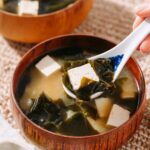
Easy Miso Soup Recipe
- Prep Time: 2 minutes
- Cook Time: 6 minutes
- Total Time: 8 minutes
- Yield: 4 servings
- Category: Soup
- Method: Stovetop
- Cuisine: Japanese
- Diet: Gluten Free
Description
This Easy Miso Soup is a simple, gluten-free Japanese soup featuring rich umami flavors from hondashi powder and miso paste, with nutritious tofu and wakame seaweed. Perfect for a light, warming meal that’s ready in under 10 minutes.
Ingredients
Soup Base
- 4 cups water
- 1 teaspoon hondashi powder
- ¼ cup wakame seaweed, cut or broken into smaller ½ inch pieces
Main Ingredients
- 8 ounces tofu, drained and cut into ½ inch cubes or smaller
- 4 tablespoons gluten free miso paste (white, yellow, or red miso; can use regular miso as well)
Optional Garnish
- 1 stalk green onion, thinly sliced
Instructions
- Boil Water and Add Ingredients: Heat the 4 cups of water in a pot until it reaches a boil. Once boiling, add 1 teaspoon of hondashi powder, ¼ cup of broken wakame seaweed, and 8 ounces of cubed tofu to the pot.
- Simmer the Soup: Bring the soup back up to a boil after adding the ingredients, then reduce the heat to maintain a high simmer. Let it simmer gently for about 3 minutes until the wakame seaweed has rehydrated and softened.
- Dissolve Miso Paste: Turn off the heat. Using a strainer, dissolve 4 tablespoons of gluten free miso paste into the soup by ladling soup through it, allowing the miso to incorporate smoothly. If a strainer is unavailable, scoop a small amount of soup into a separate bowl, dissolve the miso paste there, then stir it back into the pot.
- Add Green Onions and Serve: Stir in the thinly sliced green onions if using, then serve the miso soup hot. Enjoy immediately for the best flavor.
Notes
- Refer to the full blog post for step-by-step photos, tips, and FAQs to perfect your soup.
- Miso paste options vary: white miso is creamier and sweeter, while red miso is saltier and richer. Adjust miso quantity to your taste, especially if using saltier red miso (recommended 3 tablespoons).
- Tofu firmness can vary according to preference; silken tofu is popular but firm tofu also works well.
- Dry wakame seaweed expands significantly when rehydrated, so cutting it into small pieces helps make it easier to eat.
- Hondashi powder is a convenient instant dashi stock alternative, saving you time while delivering authentic broth flavor.
Nutrition
- Serving Size: 1 cup (approximate)
- Calories: 70
- Sugar: 1g
- Sodium: 700mg
- Fat: 3g
- Saturated Fat: 0.5g
- Unsaturated Fat: 2g
- Trans Fat: 0g
- Carbohydrates: 5g
- Fiber: 1g
- Protein: 6g
- Cholesterol: 0mg