
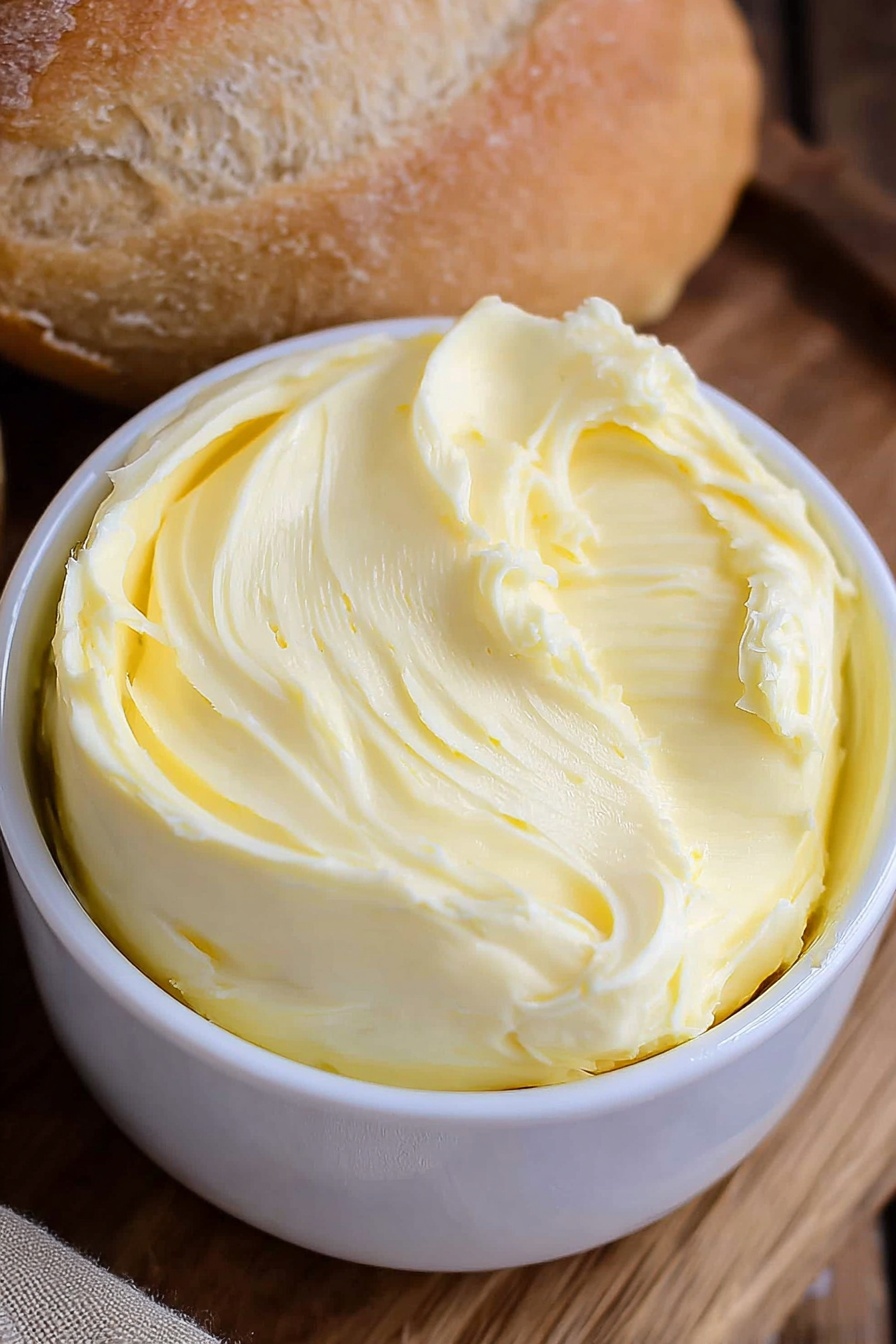
If you’ve ever wondered how to make creamy, fresh butter right in your own kitchen, you’re going to love this Homemade Butter Recipe. It’s ridiculously simple, so rewarding, and honestly, the taste blows store-bought butter out of the water. I absolutely love how this turns out because not only do you control the ingredients, but the process is kind of fun—like watching a transformation happen right before your eyes. Stick with me, and I’ll walk you through every step to get that perfect, silky butter on your table.
Why You’ll Love This Recipe
- Simple Ingredients: You only need heavy whipping cream and optional salt—no strange additives.
- Fun Process: Watching cream magically turn into butter is oddly satisfying and educational.
- Customizable Flavor: Add sea salt to tune your butter or keep it plain for baking.
- Freshness Guaranteed: No preservatives means pure, fresh butter any time you want it.

Ingredients You’ll Need
To make homemade butter, you don’t need much—just really good quality heavy whipping cream, and then salt if you like it that way. The cream is the star here, so opting for fresh, high-fat cream will give you the best results.
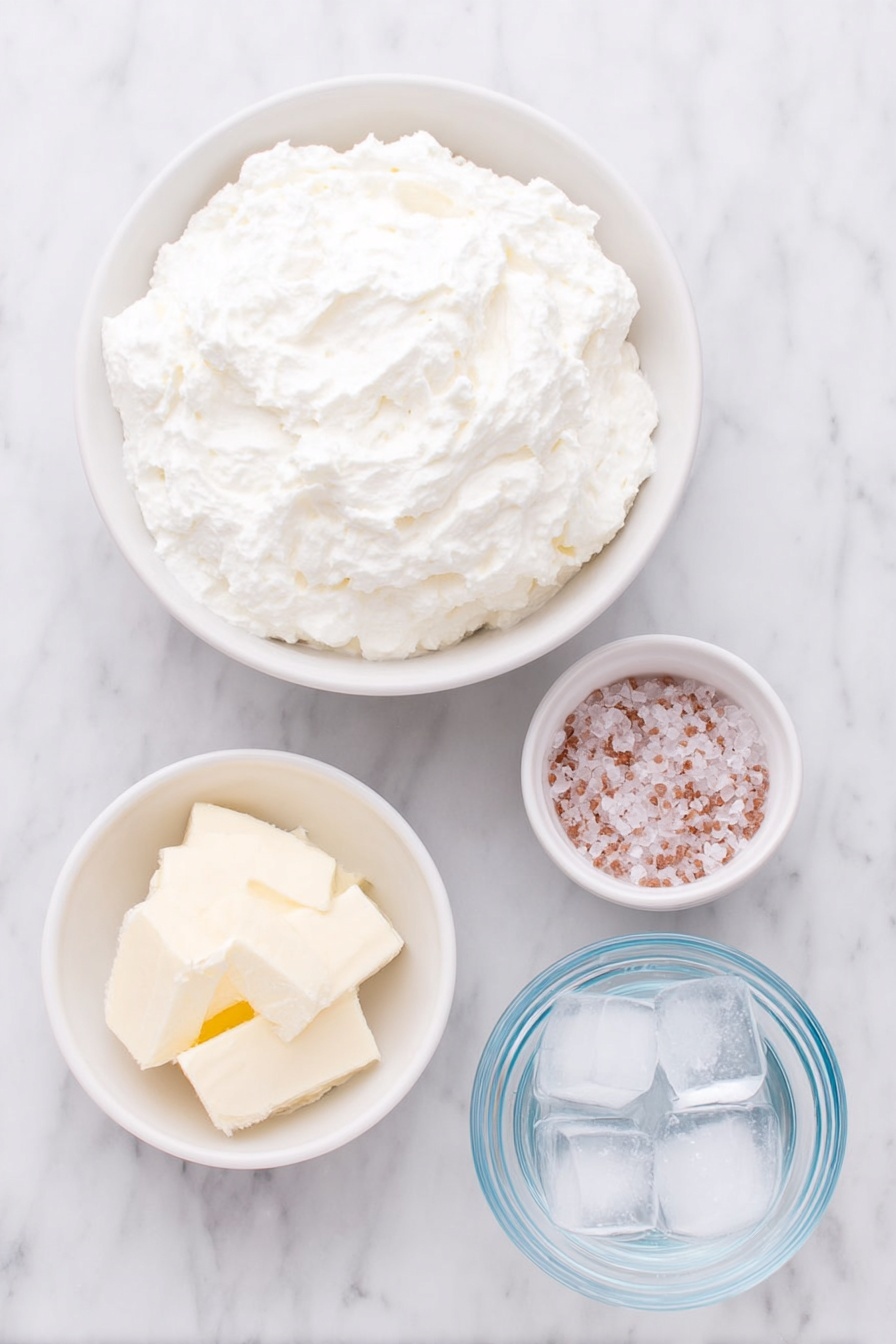
- Heavy whipping cream: Use fresh, full-fat cream for the richest and smoothest butter. Avoid ultra-pasteurized if you can, as it may not whip as well.
- Sea salt (optional): Adding salt is totally up to you—it’s great for enhancing flavor if you want salted butter.
- Ice water: This helps rinse and firm up the butter while washing away any leftover buttermilk.
Variations
I love that this homemade butter recipe is so versatile—you can easily mix it up to suit your tastes or dietary preferences. Feel free to experiment and make it your own.
- Herbed Butter: I sometimes add fresh chopped herbs like chives or parsley for an easy compound butter perfect for bread or grilled veggies.
- Garlic Butter: Adding roasted garlic or garlic powder is a game-changer for flavor, especially to spread on warm rolls or melt over steaks.
- Unsalted Version: Skip the salt to keep it neutral—perfect for baking or if you want full control over seasoning later.
- Lactose Sensitive: While this butter has a bit of buttermilk left, rinsing it well with ice water cuts down on lactose, making it a bit easier to digest for those sensitive.
How to Make Homemade Butter Recipe
Step 1: Whip the Cream Until It Transforms
Start by pouring your heavy whipping cream into a stand mixer fitted with the whisk attachment—if you don’t have a stand mixer, a hand mixer works too, just be patient. Whisk on medium speed. At first, the cream will thicken and turn into whipped cream—keep going! You’ll notice it reach stiff peaks, which means it holds its shape well. This part usually takes about 8 to 10 minutes, but it can vary. Once you hit that stage, if you want salted butter, sprinkle in your sea salt now.
Step 2: Keep Whisking Until Butter and Buttermilk Separate
This is where the magic really happens. Continue whisking on medium speed and watch the cream start to clump. The solid butterfat will separate from the liquid buttermilk, and the butter will stick to the whisk attachment or sides of the bowl. It might look a little messy and weird, but hang in there! This usually takes another 3 to 5 minutes beyond the whipped cream stage.
Step 3: Strain Out the Buttermilk
Prepare a mesh sieve over a smaller bowl to catch the buttermilk. Pour the contents of the mixer bowl through the sieve carefully so that the butter stays put. You’ll see fresh buttermilk collecting underneath—don’t throw it away! It’s delicious for baking or marinating.
Step 4: Rinse and Squeeze Your Butter
Now it’s time to remove any leftover buttermilk in the butter by rinsing. Fill a bowl with ice water, dip the butter into it, and then squeeze it to release the liquid. Repeat this a couple of times with fresh cold water until the liquid runs clear. This helps your butter stay fresh longer and keeps the flavor pure.
Step 5: Shape, Wrap, and Chill
Transfer your buttery goodness to parchment or wax paper and shape it into a log or block. I usually like to make four sticks, so I can grab small portions just like store butter. Wrap tightly and secure with kitchen twine or any string you have handy, then pop it in a resealable plastic bag for extra protection before chilling it in the fridge. Your butter will firm up nicely in about an hour and can stay fresh for up to three weeks—if it lasts that long in your house!
Pro Tips for Making Homemade Butter Recipe
- Use Cold Cream: I learned the hard way that cold cream whips better and separates more cleanly than cream at room temperature.
- Don’t Rush It: Whipping past the whipped cream stage takes patience—if you stop too soon, you might not get the butter to clump properly.
- Save the Buttermilk: That liquid is pure magic for pancakes or breads; don’t discard it!
- Avoid Over-Rinsing: Rinse until water runs clear, but overdoing it can wash out some butter flavor.
How to Serve Homemade Butter Recipe
Garnishes
I often take a small scoop of my homemade butter and sprinkle it with flaky sea salt or a bit of freshly cracked black pepper before serving. Fresh herbs like finely chopped dill or parsley also add a lovely touch—great when you want to impress guests with a simple upgrade.
Side Dishes
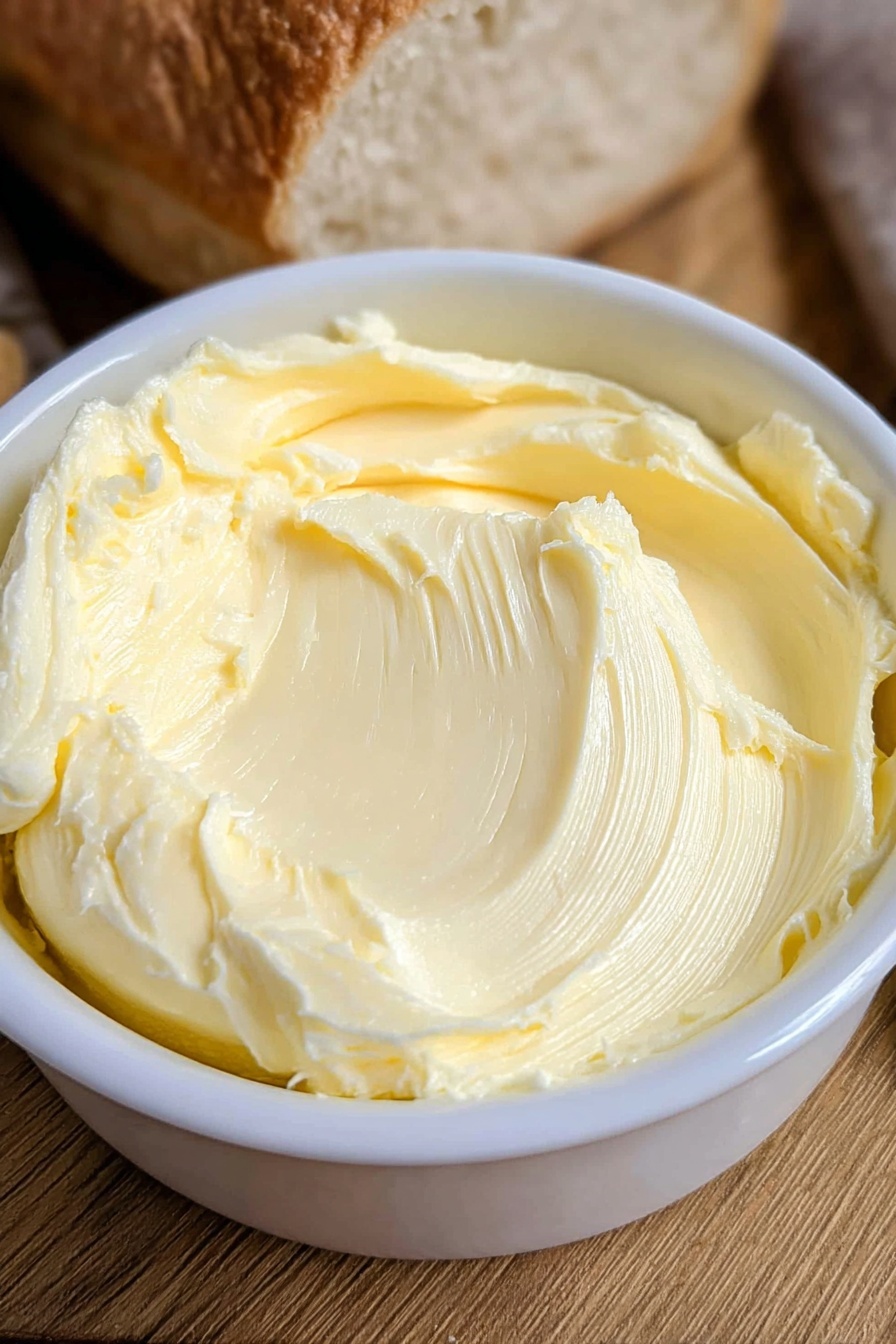
This butter is perfect melted over warm crusty bread, brushed onto corn on the cob, or dolloped on steamed vegetables. My family goes crazy for it spread on homemade biscuits and pancakes—definitely a breakfast game-changer.
Creative Ways to Present
For special occasions, I like to slice the butter into decorative pats using cookie cutters or press it into molds shaped like flowers or hearts. Presenting it on a rustic wooden board with mixed fresh herbs around also amps up the wow factor at brunch.
Make Ahead and Storage
Storing Leftovers
I keep leftover homemade butter wrapped in parchment and sealed in a plastic bag in the refrigerator. This keeps it fresh for about three weeks. Just be sure to keep it well-covered so it doesn’t pick up fridge odors.
Freezing
Freezing butter works great, especially if you make larger batches. I slice mine into sticks before freezing so I can easily thaw a portion at a time. Frozen butter keeps its flavor for up to nine months and thaws quickly in the fridge.
Reheating
You actually don’t want to “reheat” butter like a meal—just let it come to room temperature on the counter before using to get that perfect spreadable texture. If you need melted butter, gently microwave or melt on the stove to avoid overheating and breaking down the fats.
FAQs
-
How long does homemade butter last?
Homemade butter lasts about 3 weeks refrigerated when properly wrapped and stored. Freezing extends its shelf life up to 9 months without losing quality.
-
Can I make butter with low-fat cream?
Unfortunately, low-fat cream won’t whip up into butter properly because it lacks the necessary fat content. Always use heavy whipping cream with at least 35% fat for the best results.
-
What can I do with the leftover buttermilk?
Leftover buttermilk is perfect for baking pancakes, biscuits, or adding to sauces and dressings. You can also freeze it for later use if you don’t need it immediately.
-
Do I need to add salt?
Nope! Adding salt is completely optional and depends on your preference. Salted butter has enhanced flavor, but unsalted butter is great if you want control over seasoning in cooking and baking.
Final Thoughts
This homemade butter recipe is one of those kitchen magic moments—I get so excited every time I make it, especially when friends and family notice the fresh, creamy difference. It’s such a simple pleasure that’s worth every bit of effort. I highly recommend giving it a try; you’ll find that homemade butter adds a special touch to everything from morning toast to dinner sides. Trust me, once you start, you’ll never want to go back to store-bought!
Print
Homemade Butter Recipe
- Prep Time: 10 minutes
- Cook Time: 0 minutes
- Total Time: 25 minutes
- Yield: 32 tablespoons (4 sticks, approximately 1 lb)
- Category: Dairy
- Method: Blending
- Cuisine: American
Description
Learn how to make homemade butter from fresh heavy whipping cream with this simple recipe. Whip the cream until it separates into butter and buttermilk, strain, rinse, and shape the butter to enjoy fresh, creamy homemade butter without any additives.
Ingredients
Butter Ingredients
- 4 cups heavy whipping cream
- 2 tsp sea salt (optional, for salted butter)
- Ice water (for rinsing)
Instructions
- Prepare: Get a stand mixer fitted with a whisk attachment or use a large mixing bowl with a hand mixer and whisk attachment. Ensure the bowl can accommodate the expanding cream.
- Whip Heavy Cream: Pour the heavy cream into the mixer bowl and whisk on medium speed for about 10 minutes. When stiff peaks begin to form, add salt if using, and continue whisking until the butterfat separates from the buttermilk, forming clumps of butter on the whisk.
- Strain: Place a mesh sieve over a smaller bowl and carefully pour the mixture to separate the butter from the buttermilk which collects below.
- Squeeze: Gather the butter and press out remaining liquid. Dip the butter in a bowl of ice water then squeeze again to rinse off excess buttermilk.
- Store: Shape the butter into a log or rectangular block using parchment or wax paper. Wrap tightly and optionally place inside a resealable plastic bag. You can also slice into four sticks and wrap individually.
- Chill/Store: Refrigerate the wrapped butter to firm up. Butter will keep refrigerated up to 3 weeks or frozen for up to 9 months.
Notes
- This recipe yields approximately 1 lb (4 sticks) of butter or 32 tablespoons.
- The heavy whipping cream should not be substituted for this recipe to achieve proper butter formation.
- Salt is optional and can be adjusted to taste or omitted entirely for unsalted butter.
- Using ice water to rinse butter helps remove residual buttermilk, improving shelf life.
- Butter can be shaped as preferred; individually wrapped sticks are ideal for easy use and storage.
Nutrition
- Serving Size: 1 tablespoon
- Calories: 102
- Sugar: 0.1g
- Sodium: 82mg
- Fat: 12g
- Saturated Fat: 7.3g
- Unsaturated Fat: 4.7g
- Trans Fat: 0.5g
- Carbohydrates: 0g
- Fiber: 0g
- Protein: 0.1g
- Cholesterol: 31mg