
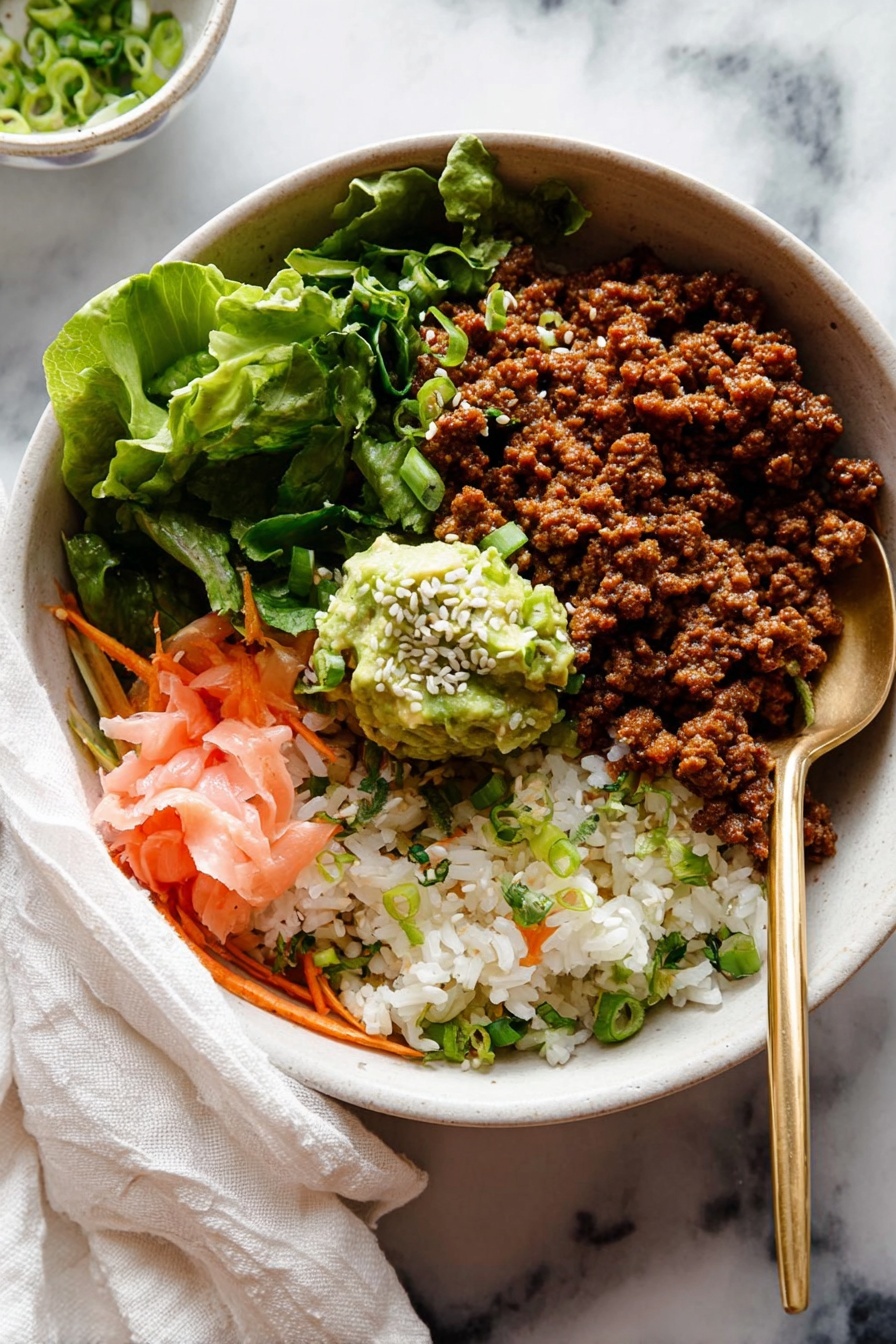
If you’re looking for a meal that’s bursting with flavor, super simple to make, and perfect for those busy weeknights, boy, do I have a treat for you! This Korean Beef Bulgogi Rice Bowls Recipe is exactly that—comforting, savory, and packed with fresh veggies and a luscious sauce that you’ll want to drizzle over everything. Trust me, once you try this, it’ll become one of your go-to meals, especially when you want something impressive but fuss-free.
Why You’ll Love This Recipe
- Quick & Easy: From prep to plate in about 25 minutes—perfect for busy evenings.
- Flavor-Packed Sauce: The secret bulgogi sauce with apple and onion creates incredible depth and natural sweetness.
- Flexible & Fresh: You can swap or add your favorite veggies to make it your own.
- Family Friendly: Everyone from kids to adults raves about it—my family can’t get enough!

Ingredients You’ll Need
This Korean Beef Bulgogi Rice Bowls Recipe uses simple ingredients that balance sweet, savory, and umami flavors perfectly. The secret is in the fresh grated apple and onion in the bulgogi sauce—trust me, don’t skip them! Plus, fresh veggies brighten up the bowl and keep things light and satisfying.
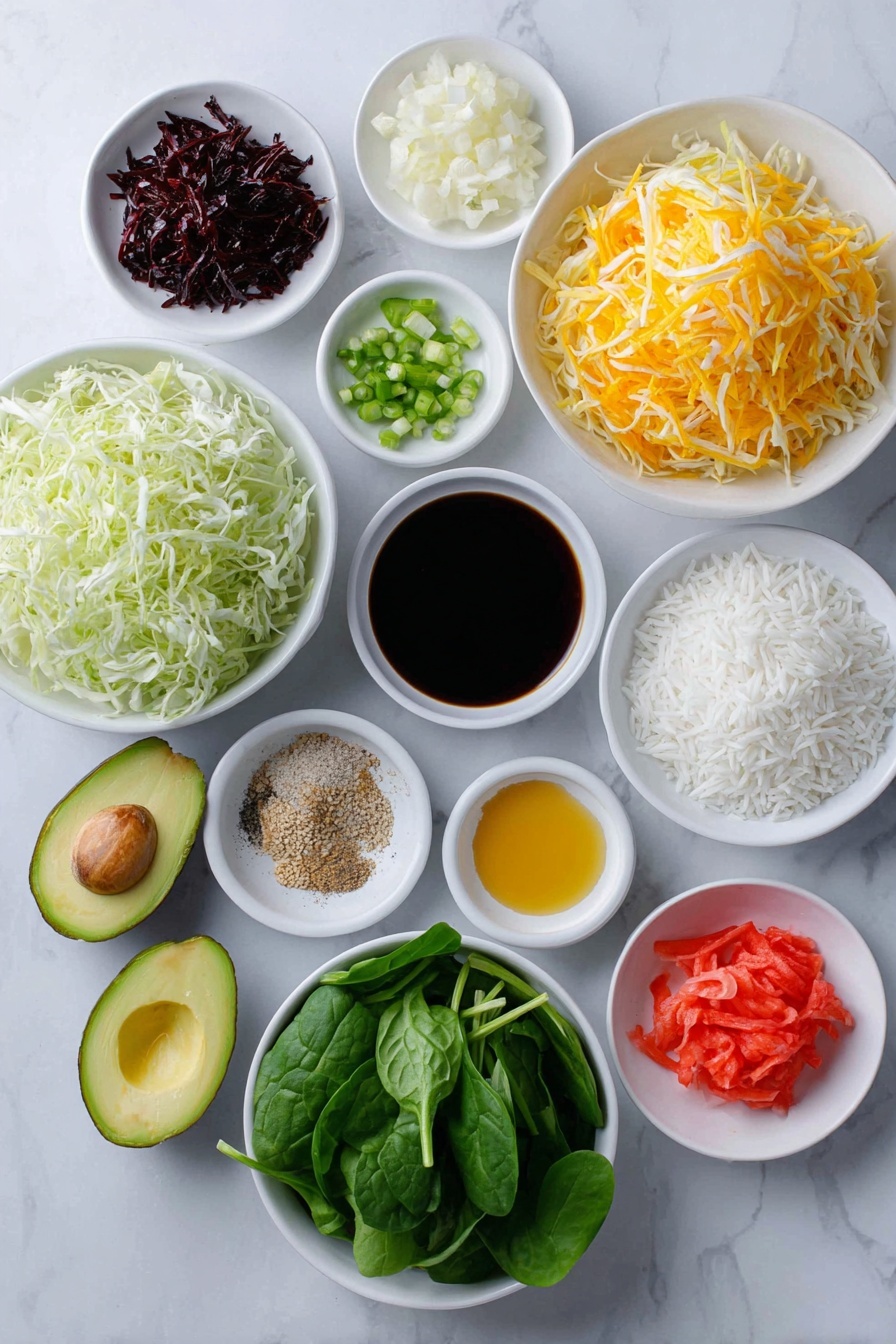
- Beef mince: Using ground beef makes this dish so much quicker without losing any flavor, plus it soaks up the sauce beautifully.
- Canola oil: A neutral oil that won’t overpower the bulgogi flavors; you can swap in any plain-flavored oil you like.
- Onion: Grated finely for that perfect sweet, savory base—don’t chop it!
- Red apple: Adds natural sweetness and a subtle tang that lifts the whole dish.
- Garlic & ginger: Classic Korean aromatics that bring zing and warmth.
- Soy sauce: Use light or all-purpose for best flavor balance; tamari works if you need gluten-free.
- Sesame oil: For that distinctive nutty aroma that instantly makes this bulgogi.
- Mirin: Adds a slight sweetness and depth—feel free to omit or substitute if you prefer no alcohol.
- Brown sugar: To balance the savory and enhance caramelization.
- Baby spinach & other greens: Quick to wilt and packed with freshness.
- Carrot: Julienne or grate for a crisp, colorful contrast.
- Avocado: Creamy mashed avocado adds richness and a cooling effect.
- Pickled ginger: A bright, tangy finish—pink pickled ginger adds visual pop too.
- Baby cos/romaine lettuce: Adds crunch and a fresh response to the savory beef.
- Sesame seeds & green onion: Perfect finishing touches for texture and flavor.
Variations
One of the things I adore about this Korean Beef Bulgogi Rice Bowls Recipe is how easy it is to tweak based on what’s in your pantry or what your taste buds crave. Play around with veggies, proteins, or even the sauce to really make it your own.
- Protein swap: I sometimes use ground turkey or chicken when I want a lighter option, and it still tastes fantastic—it just soaks up that bulgogi sauce like a champ.
- Vegetable boosts: Feel free to throw in shredded cabbage, kale, or even thinly sliced mushrooms for some extra earthiness.
- Spice it up: If you love a bit of heat, add a pinch of red pepper flakes or mix in some gochujang (Korean chili paste) to the sauce—it gives a lovely kick.
- Make it vegetarian: Swap the beef for tofu crumbles or tempeh and double the veggies—then you have a tasty veggie bulgogi bowl.
How to Make Korean Beef Bulgogi Rice Bowls Recipe
Step 1: Prepare the Bulgogi and Drizzle Sauces
Start by mixing the bulgogi sauce ingredients in one bowl—the finely grated apple and onion act as secret flavor bombs, adding sweetness and subtle complexity. In a separate small bowl, mix the drizzle sauce. It’s a simple combo of soy sauce, sesame oil, brown sugar, and a splash of rice vinegar, which you’ll pour over everything at the end for that iconic bulgogi punch.
Step 2: Wilt the Spinach Just Right
Heat about 2 teaspoons of canola oil in a large non-stick pan over high heat. Toss in half the baby spinach and stir with tongs until it’s just wilted (about 30 seconds), then add the rest and continue tossing for another minute until all the spinach softens but still holds vibrant color. Remove and set aside. Quick tip: Don’t overcook here—you want fresh bright greens with a little wilt, not mush.
Step 3: Cook the Beef and Lock in Flavor
Add 1 tablespoon of oil to the same pan over high heat. Add the ground beef, breaking it up as you go with your spatula. Once the raw pink has disappeared, pour in the bulgogi sauce. Let it simmer vigorously so the sauce thickens and reduces—stir occasionally to prevent sticking. When the sauce has nearly evaporated, keep stirring regularly for the beef to caramelize a bit but stay moist and tender. That caramelization step? It’s what brings the magic—rich flavor and a little crispness.
Step 4: Assemble Your Perfect Rice Bowl
Now for the fun part! Spoon steamed white rice at the bottom of your bowl. Add the spinach and julienned carrot beside the beef, then top with a dollop of creamy mashed avocado and a sprinkling of pickled ginger for tang and color. Nestle some torn baby lettuce on the side, then finish with white sesame seeds and thin slices of green onion. Drizzle the drizzle sauce all over just before you dive in. Every bite bursts with layers of flavor and texture!
Pro Tips for Making Korean Beef Bulgogi Rice Bowls Recipe
- Grate Finely: Using a microplane for the apple and onion really amps up the sauce’s flavor and helps it dissolve into the meat.
- High Heat, Quick Cook: Cooking the beef over high heat helps with caramelization and keeps the meat juicy.
- Don’t Skip Wilted Greens: Adding spinach or kale gives freshness and balance, so don’t overlook them even when in a hurry.
- Careful with Soy Sauce: Stick to light or all-purpose soy to keep flavors balanced; dark soy can overwhelm.
How to Serve Korean Beef Bulgogi Rice Bowls Recipe
Garnishes
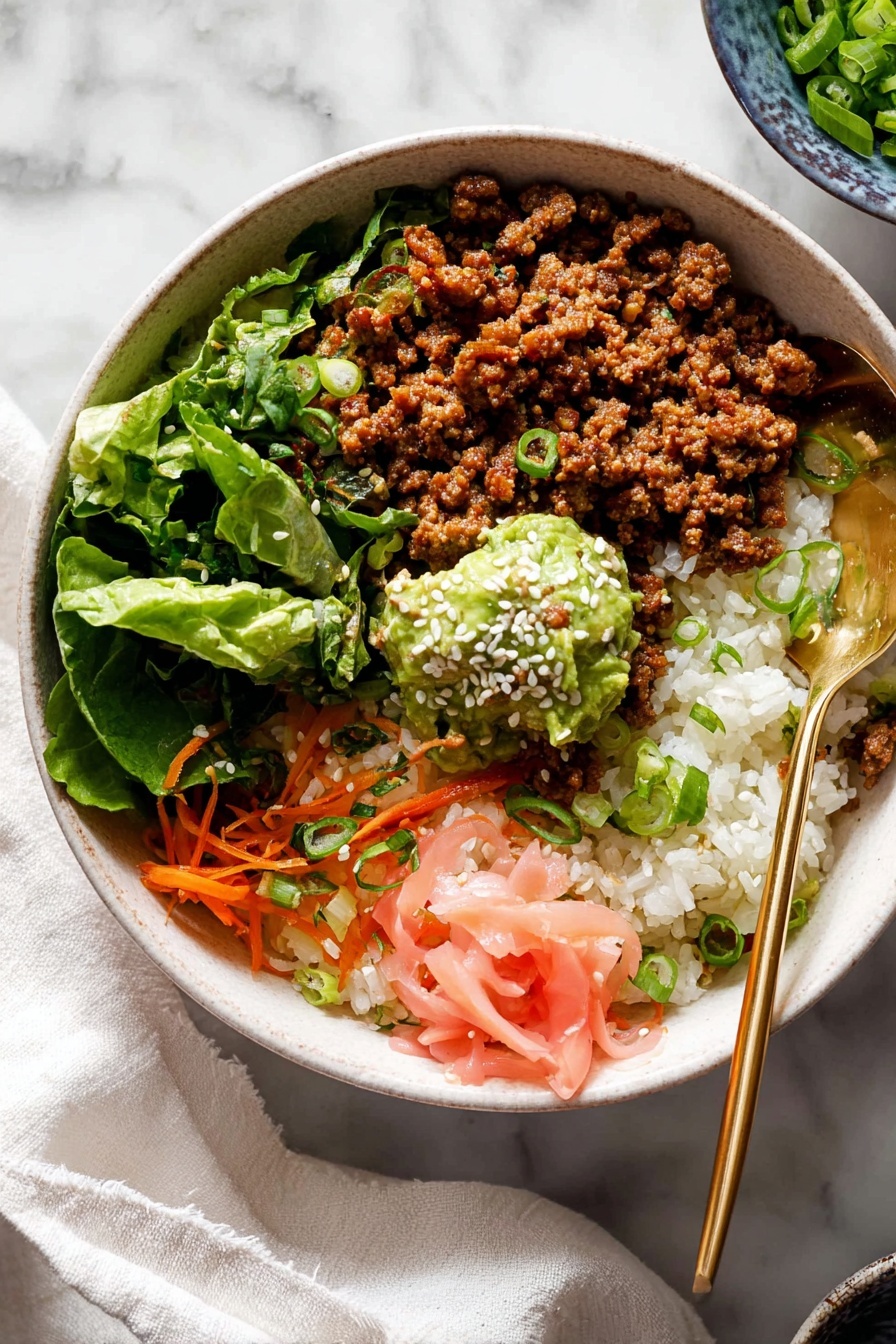
I always top off my bulgogi rice bowls with freshly sliced green onions and a sprinkle of white sesame seeds for crunch and nuttiness. Pickled pink ginger not only adds zesty brightness but also looks beautiful against the warm beef and greens. That little avocado scoop adds creamy richness that mellows the savory flavors—so good together.
Side Dishes
For sides, I love pairing these bowls with simple kimchi or a crisp cucumber salad dressed lightly with rice vinegar and sesame seeds. Miso soup on the side rounds out the meal perfectly if you want to keep it Korean-inspired but light. These additions bring even more texture and flavor variety without complicating things.
Creative Ways to Present
When it’s a special occasion, I like to serve the bulgogi beef separately on a small platter with little bowls of all the garnishes and sides so everyone can build their own bowls exactly how they want—fun, interactive, and always a hit! For quick weeknight meals, though, I just pile everything in a big bowl and dig in—comfort food at its best.
Make Ahead and Storage
Storing Leftovers
I keep any leftover cooked bulgogi beef in an airtight container in the fridge—it lasts beautifully for up to three days. Just remember to store the fresh veggies separately if you’re planning on eating leftovers later, so they stay crisp.
Freezing
I’ve frozen cooked bulgogi beef several times with great results. Freeze it in portioned containers and thaw in the fridge overnight when you’re ready. Add a splash of water or extra drizzle sauce when reheating to keep it moist. The flavor holds up well, so it’s a fantastic make-ahead option.
Reheating
Reheat leftover bulgogi beef gently on the stove over medium heat, stirring occasionally to warm through evenly. Adding a teaspoon of water or the drizzle sauce helps revive the sauce’s lusciousness while preventing dryness. I avoid microwaving because the beef sometimes dries out, but if you’re in a hurry, short bursts of medium power with stirring work too.
FAQs
-
Can I use a different cut of beef for this Korean Beef Bulgogi Rice Bowls Recipe?
Absolutely! While this recipe uses ground beef for convenience, you can use thinly sliced ribeye or sirloin for an authentic bulgogi feel. Just marinate longer and cook quickly over high heat. Ground beef offers an easier and budget-friendly option without sacrificing flavor.
-
Is it necessary to include apple and onion in the bulgogi sauce?
Yes, the grated apple provides natural sweetness and subtle fruitiness that sugar alone can’t mimic, while the grated onion adds depth and umami. These two ingredients are what make the bulgogi sauce truly authentic and flavorful, so I highly recommend including them.
-
Can I make this recipe gluten-free?
For sure! Just swap the soy sauce with tamari or a gluten-free soy sauce alternative. Keep an eye on other ingredients like mirin and any pre-packaged pickled ginger to ensure they don’t contain gluten.
-
What’s the best rice to serve with this dish?
I like medium or short-grain white rice because it’s a bit sticky, helping to hold all the delicious ingredients together in the bowl. You can also use brown rice or cauliflower rice if you want a healthier twist.
Final Thoughts
Making this Korean Beef Bulgogi Rice Bowls Recipe always feels like a little celebration in my kitchen. It’s quick, packed with flavor, and so versatile that I never get bored. Honestly, it’s one of those recipes you’ll find yourself craving again and again—whether it’s a busy weeknight or a casual weekend with friends. Give it a go, and I promise you’ll be hooked just like my family and I are!
Print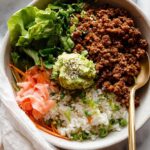
Korean Beef Bulgogi Rice Bowls Recipe
- Prep Time: 15 minutes
- Cook Time: 10 minutes
- Total Time: 25 minutes
- Yield: 4 to 5 servings
- Category: Main Dish
- Method: Stovetop
- Cuisine: Korean
Description
Korean Beef Bulgogi Rice Bowls made easy with flavorful ground beef cooked in a savory-sweet bulgogi sauce, paired with wilted spinach, fresh crunchy veggies, and a tangy drizzle sauce. A perfect, quick meal packed with authentic Korean flavors and nutritious ingredients.
Ingredients
Beef and Oil
- 500g / 1 lb beef mince (ground beef), any fat % you like
- 1 tbsp canola oil or any other plain flavored oil
- 2 tsp canola oil (to wilt baby spinach)
Bulgogi Sauce
- 1 tbsp onion, finely grated (~1/4 onion)
- 3 tbsp red apple, finely grated (skin on is fine, ~1/2 apple)
- 3 garlic cloves, finely grated
- 1 tsp ginger, finely grated
- 2 1/2 tbsp soy sauce – all-purpose or light
- 1 tbsp sesame oil
- 1 tbsp mirin (omit for no alcohol)
- 1 tbsp brown sugar
- 1/8 tsp black pepper
Rice Bowl Drizzle Sauce
- 2 tbsp soy sauce – all-purpose or light
- 1 tbsp sesame oil
- 2 tsp brown sugar
- 2 tsp rice vinegar (or apple cider vinegar)
Rice Bowl Components
- White rice (medium or short grain recommended)
- 4 large handfuls baby spinach (or chopped leafy greens like cabbage or kale)
- 1 large carrot, peeled and julienned or grated
- 1 avocado, mashed
- 1/4 cup pickled ginger (preferably pink for color)
- 1 1/2 cups baby cos / romaine lettuce, torn into bite-size pieces
- 1 tsp white sesame seeds
- 1 green onion, finely sliced
Instructions
- Mix Sauces: In one bowl, combine all ingredients for the Bulgogi sauce: grated onion, grated apple, garlic, ginger, soy sauce, sesame oil, mirin, brown sugar, and black pepper. In a separate bowl, whisk together the rice bowl drizzle sauce ingredients: soy sauce, sesame oil, brown sugar, and rice vinegar.
- Wilt Spinach: Heat 2 teaspoons of canola oil in a large non-stick pan over high heat. Add half of the baby spinach and toss with tongs until semi-wilted, about 30 seconds. Add the remaining spinach and continue tossing until fully wilted, approximately 1 minute. Remove the spinach to a bowl and set aside.
- Cook Bulgogi Beef: Add 1 tablespoon of oil to the same pan and keep on high heat. Add the ground beef and cook while breaking it up until no raw pink remains. Pour in the prepared Bulgogi sauce and let it simmer vigorously, stirring occasionally, until the sauce mostly evaporates and the beef starts to caramelize nicely. Ensure the beef remains moist from the sauce while developing a slightly crisp texture on some parts.
- Assemble Bowls: Spoon cooked white rice into serving bowls. Place wilted spinach and carrot julienne alongside the rice. Add a scoop of the caramelized bulgogi beef over the rice. Top with a dollop of mashed avocado and scatter pickled ginger and torn baby cos/romaine lettuce on the side. Finish by sprinkling white sesame seeds and sliced green onion on top. Serve with the drizzle sauce on the side to pour over before mixing everything together and enjoying.
Notes
- Grating the apple and onion finely (using a microplane or box grater) maximizes flavor and sweetness, enhancing the sauce unlike diced versions.
- Soy sauce can be replaced with tamari for gluten-free needs, but avoid dark soy sauce or kecap manis as they overwhelm the dish.
- Mirin adds subtle flavor but can be substituted with Chinese cooking wine or cooking sake plus a little brown sugar or simply omitted for a no-alcohol version.
- Leftover cooked beef keeps well in the fridge for 3 days or frozen up to 3 months. Reheat gently with a splash of water to maintain moisture.
Nutrition
- Serving Size: 1 bowl (approximate, with 1 cup cooked rice and toppings)
- Calories: 520 kcal
- Sugar: 8 g
- Sodium: 710 mg
- Fat: 20 g
- Saturated Fat: 5 g
- Unsaturated Fat: 13 g
- Trans Fat: 0 g
- Carbohydrates: 55 g
- Fiber: 7 g
- Protein: 28 g
- Cholesterol: 65 mg