
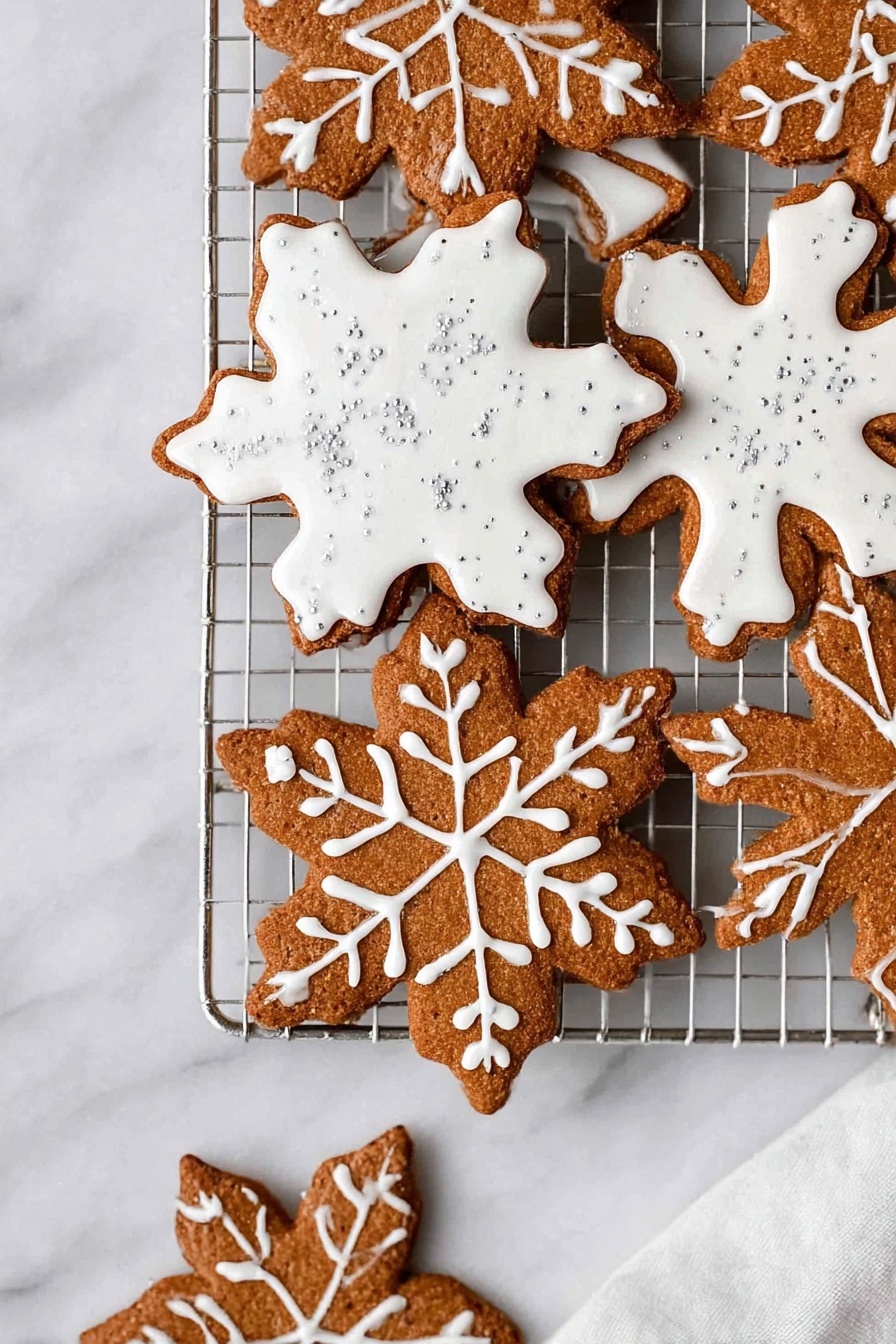
If you’re looking for a warm, cozy treat that’s perfect for the holiday season or any time you want something sweet and spiced, I’m so excited to share this Vegan Gingerbread Cookies Recipe with you. I absolutely love how these cookies turn out—crispy on the edges with just the right amount of chew in the center, and the rich ginger and molasses flavor just makes your kitchen smell heavenly. Whether you’re vegan, gluten-free, or just curious to try a plant-based twist on a classic, you’re going to find this recipe super easy and totally delicious.
Why You’ll Love This Recipe
- Totally Vegan & Allergy-Friendly: This recipe skips eggs and dairy but still gives you that classic gingerbread flavor and texture.
- Flexible Flour Options: You can use gluten-free flour or regular all-purpose flour depending on your needs, making this cookie versatile.
- Perfectly Spiced: The blend of ginger, cinnamon, nutmeg, and cloves hits just the right cozy notes without overpowering the cookies.
- Easy to Decorate: The icing is simple to make with either aquafaba or egg whites, so you can get creative with your frosting designs.

Ingredients You’ll Need
This Vegan Gingerbread Cookies Recipe uses a mix of pantry staples and warming spices that work beautifully together to give you that classic holiday cookie feel. Here are some notes on what makes these ingredients special and tips for choosing the best versions:
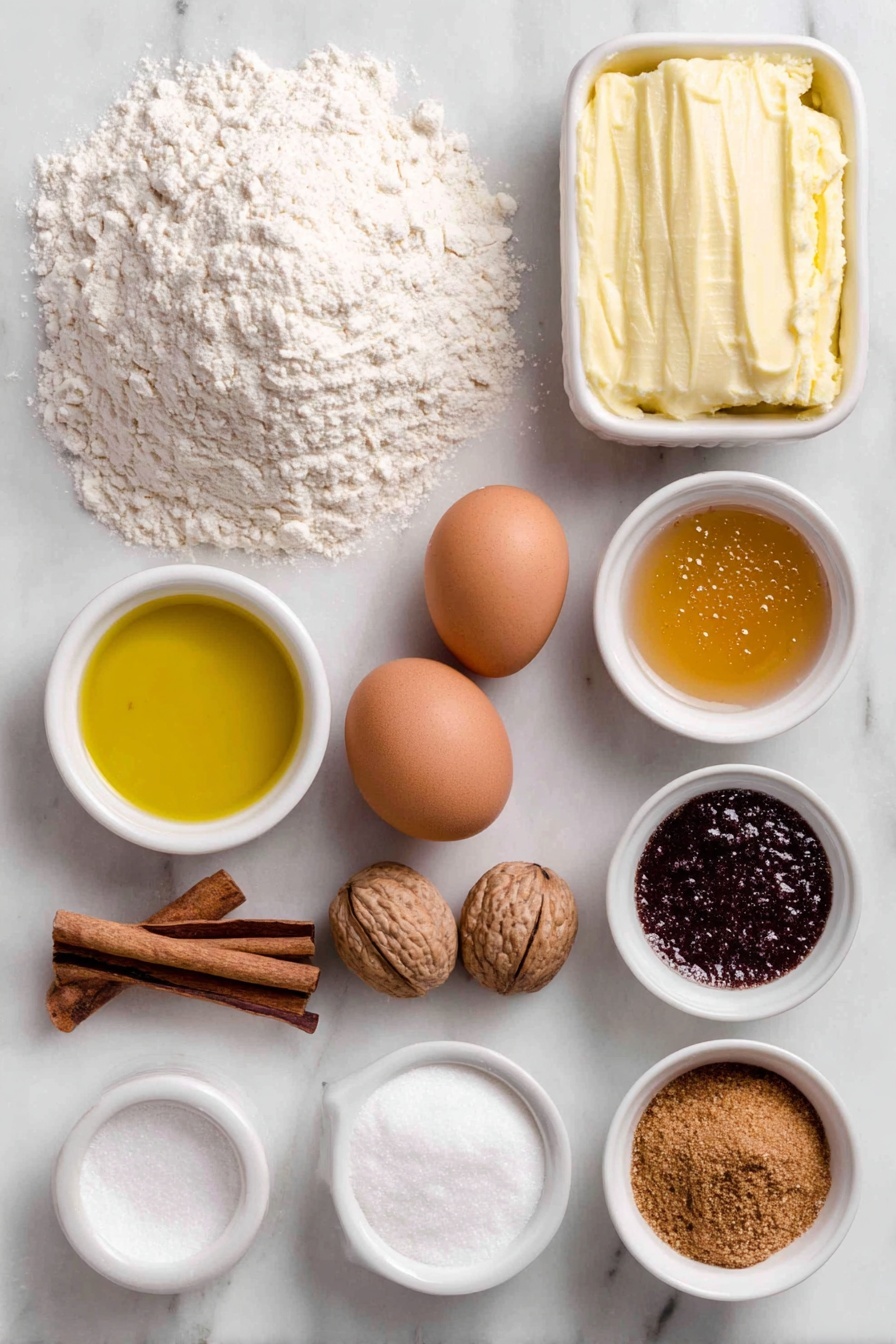
- Bob’s Red Mill GF All Purpose 1:1 Baking Flour: I like this gluten-free flour because it includes xanthan gum, which helps the cookies hold together; if gluten isn’t an issue, regular all-purpose flour works just as well.
- Ground Ginger: Freshly ground if you can — it adds a zing that’s sharper and fresher than pre-ground.
- Cinnamon: Use good quality cassia cinnamon for the best flavor—you can really taste the difference.
- Salt: A pinch balances the sweetness and enhances all the spices.
- Nutmeg: Just a little warm nutmeg rounds out the flavor beautifully. Freshly grated is ideal!
- Cloves: Tiny amounts go a long way; they provide a deep, rich spiciness.
- Refined Coconut Oil or Vegan Butter: Choose refined coconut oil if you don’t want a coconut flavor; vegan butter gives a lovely richness.
- Molasses: This is your secret weapon for authentic gingerbread flavor; dark, robust molasses works best.
- Pure Maple Syrup: Adds sweetness plus a subtle complexity to the taste.
- Dark Brown Sugar: For that deep caramel note—don’t swap for light brown sugar or granulated sugar; it changes the flavor.
- Aquafaba (liquid from can of chickpeas) or Egg Whites: These create a fluffy, pipeable icing without the need for dairy.
- Sifted Powdered Sugar: Sift before mixing to avoid lumps in your icing.
- Vanilla Extract: Adds sweetness and balances the spice mix in the icing perfectly.
- Water: Just a little to adjust icing consistency as needed.
Variations
One of the things I love about this Vegan Gingerbread Cookies Recipe is how adaptable it is. I often tweak it depending on what I have on hand or the occasion. Feel free to get creative—these cookies are forgiving and open to personalization!
- Spice Mix Twist: Sometimes I add a bit more cardamom or allspice for a slightly different festive flavor—my family goes crazy for that variation!
- Decorating Fun: I’ve swapped the vanilla in the icing for almond extract once, and it gave a lovely nutty twist that went perfectly with the gingerbread.
- Gluten-Free Adjustments: If you want to use a different gluten-free flour blend, just make sure it includes xanthan gum to keep your cookies from crumbling.
- Cookie Thickness: You can roll the dough thinner for crispier cookies or thicker if you prefer chewy ones—both ways turn out fantastic.
How to Make Vegan Gingerbread Cookies Recipe
Step 1: Mix Your Wet Ingredients
Start by beating together the coconut oil or vegan butter, molasses, maple syrup, and dark brown sugar using an electric mixer. I love this part because the mixture turns luxuriously smooth and glossy—it’s a nice moment to appreciate before the flour goes in! Make sure your coconut oil or vegan butter isn’t melted, just softened, so you get a great creamy texture without it turning greasy.
Step 2: Add the Dry Ingredients
Using a wooden spoon, gently fold in your flour, ground ginger, cinnamon, salt, nutmeg, and cloves. A handy tip is to spoon and level your flour instead of scooping—it keeps the dough from becoming dry or tough. The dough will start to come together and get slightly sticky. Once combined, cover the bowl and pop it in the fridge for about 30 minutes. This chilling step is key; it firms up the dough, making it easier to roll out and cut.
Step 3: Roll Out and Cut Your Cookies
Preheat your oven to 350°F while the dough chills. Once chilled, roll your dough on a lightly floured surface to about ¼ to ½ inch thick, depending on whether you want crispier or chewier cookies—thinner for crisp edges, thicker for softness. I always lightly oil and dust my cookie cutters with flour before cutting; this simple trick stopped the dough from sticking and helped my cookies keep their shapes perfectly over the years. Once cut, use a spatula to transfer them gently to your parchment-lined baking tray.
Step 4: Bake and Cool
Bake your cookies for 8 to 11 minutes. I keep a close eye starting at 8 minutes—the cookies should be an even color and set in the center, though still soft to the touch. They’ll firm up as they cool, so don’t overbake or they’ll lose that lovely chewiness. Let them cool completely on a wire rack before decorating.
Step 5: Make the Icing
While the cookies cool, whip up the icing. Beat the aquafaba or egg whites until foamy, then gradually add sifted powdered sugar until your mixture becomes smooth and creamy. Add vanilla extract last and a teaspoon or two of water if needed to adjust the consistency. The icing should be thick enough to pipe without running off but still smooth enough for easy decorating. Trust me, the first time I made this, I was worried it would be too runny, so start slowly with water!
Step 6: Decorate and Enjoy
When your cookies are fully cooled, use a piping bag or a plastic squeeze bottle to decorate. I love how fun and festive this part can be, especially with kids or friends. The icing dries slightly shiny and firm, which holds up great if you want to gift the cookies or store them.
Pro Tips for Making Vegan Gingerbread Cookies Recipe
- Using Aquafaba: I discovered that aquafaba whips up just like egg whites but is so much more versatile—don’t skip the sifting of powdered sugar to get that silky smooth icing.
- Cookie Cutter Prep: Lightly oil and flour cookie cutters before each batch to maintain sharp shapes and prevent sticking—game changer for neat edges!
- Rolling Dough Thickness: I learned that keeping the dough at mid-thickness lets you satisfy both crispy and chewy cookie fans in one batch, so it’s perfect for sharing.
- Measuring Flour Properly: Gluten-free baking can be tricky—spooning and leveling flour instead of scooping helps avoid dense, dry cookies.
How to Serve Vegan Gingerbread Cookies Recipe
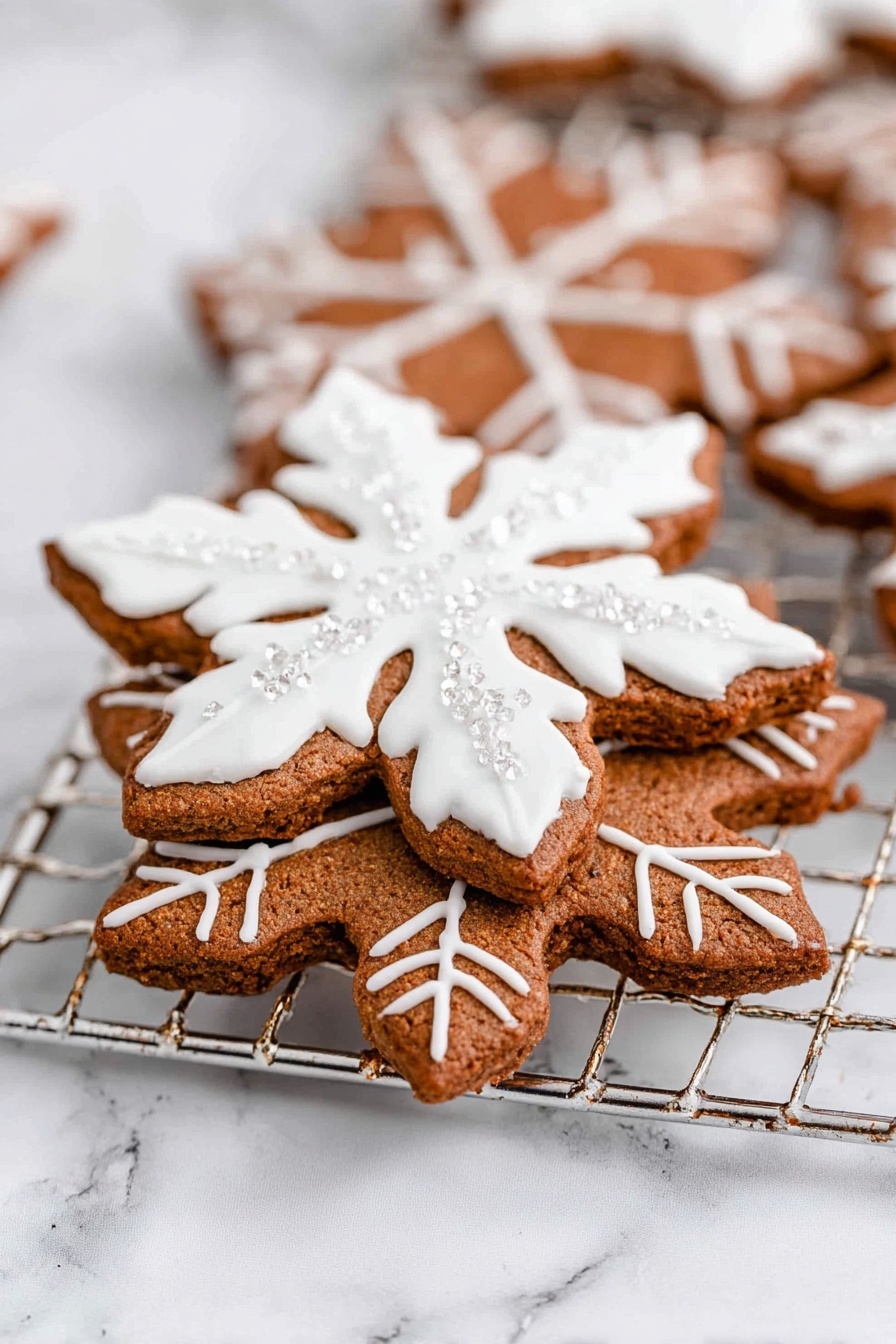
Garnishes
I usually keep it simple with this recipe by dusting a little powdered sugar over the cookies if I’m in a hurry, but when I have time, I love piping on swirls, dots, or little festive shapes with the icing. Sometimes I even sprinkle crushed peppermint candy over wet icing—adds a nice crunch and extra holiday flair that my family absolutely adores.
Side Dishes
These cookies pair wonderfully with warm drinks like spiced chai tea, almond milk lattes, or a big mug of hot cocoa. During holiday gatherings, I like to serve them alongside a fruit platter or a bowl of steamed vegan vanilla pudding for that extra cozy touch.
Creative Ways to Present
For holiday parties or gifting, try packing these gingerbread cookies in cute tins layered with parchment paper and tied with twine. Another fun idea I’ve done is stacking a cookie tree using progressively smaller sizes and sticking them together with icing—it’s a sweet centerpiece and a hit with the kids!
Make Ahead and Storage
Storing Leftovers
I keep leftover cookies in an airtight container at room temperature, separated by parchment paper layers to prevent sticking. They stay fresh and chewy for up to a week—perfect for nibbling on throughout the week without losing that gingerbread magic.
Freezing
If I want to save some for later, I freeze the dough balls before baking. I wrap them tightly in plastic wrap and place in a freezer bag. When I’m ready to bake, I thaw in the fridge overnight, roll out, and bake as usual. You can also freeze baked cookies, but I find the texture stays best when baked fresh from frozen dough.
Reheating
To warm up leftover cookies, a quick 5-10 second zap in the microwave or 3-4 minutes in a 300°F oven brings back that freshly-baked softness without drying them out. Just watch carefully so they don’t overcook!
FAQs
-
Can I make this Vegan Gingerbread Cookies Recipe gluten-free?
Absolutely! This recipe was originally designed with a gluten-free all-purpose 1:1 baking flour blend, which works perfectly. Just make sure your blend includes xanthan gum or another binder to help maintain the cookie structure. If you’re not gluten-sensitive, regular all-purpose flour works just as well for a classic texture.
-
What can I use instead of aquafaba for the icing?
If you’re not vegan or allergic to eggs, you can use two egg whites instead of aquafaba to make the icing. Both whip up nicely and provide a fluffy, pipeable frosting. Just be sure to whip until foamy before adding powdered sugar for the best texture.
-
How thick should I roll my gingerbread cookies?
I usually roll the dough between ¼ inch and ½ inch thickness. Thinner cookies will be crispier, while thicker ones stay soft and chewy inside. It’s all about your preference—this recipe is forgiving either way!
-
How do I stop my cookie cutters from sticking to the dough?
I’ve had the best luck lightly oiling the cookie cutters first and dusting them with a bit of flour before cutting. This prevents sticking and helps your cookies keep beautiful edges. Also, transferring the cookies with a thin spatula while the cutter is still in place helps keep their shape intact.
Final Thoughts
This Vegan Gingerbread Cookies Recipe has become a favorite in my kitchen and with my family, especially during the chilly months when you want something warm and comforting. I love how approachable it is, even if you’re newer to vegan or gluten-free baking. Plus, there’s nothing sweeter than the smell of gingerbread in the oven filling your home. I truly hope you give this recipe a try—you might just find your new go-to holiday cookie too!
Print
Vegan Gingerbread Cookies Recipe
- Prep Time: 20 minutes
- Cook Time: 10 minutes
- Total Time: 30 minutes
- Yield: About 24-30 cookies depending on size
- Category: Dessert
- Method: Baking
- Cuisine: American
- Diet: Vegan
Description
These Vegan Gingerbread Cookies are perfect for the holiday season, featuring a warm blend of spices and sweet molasses. Made with gluten-free all-purpose flour, refined coconut oil, and a maple syrup and brown sugar sweetness, these cookies are soft, chewy, or crispy depending on the thickness you choose. The recipe includes a vegan-friendly aquafaba icing that can also be made with egg whites for a classic touch.
Ingredients
Dry Ingredients
- 2 ¾ cups Bob’s Red Mill GF All Purpose 1:1 Baking Flour (can substitute regular all-purpose flour if not gluten free)
- 2 ½ tsp ground ginger
- 1 tsp cinnamon
- ¼ tsp salt
- ¼ tsp nutmeg
- ¼ tsp cloves
Wet Ingredients
- ½ cup refined coconut oil or vegan butter, softened but not melted
- ⅓ cup molasses
- ⅓ cup pure maple syrup
- ½ cup dark brown sugar
Icing
- ¼ cup liquid from can of chickpeas (aquafaba) OR 2 egg whites
- 3 cups sifted powdered sugar
- 1 tsp vanilla extract
- 2-3 tsp water as needed
Instructions
- Prepare Wet Ingredients: Beat together all of the wet ingredients — refined coconut oil or vegan butter, molasses, maple syrup, and dark brown sugar — until well combined using an electric mixer.
- Combine Dry Ingredients: In a separate bowl, mix together the gluten-free all-purpose flour, ground ginger, cinnamon, salt, nutmeg, and cloves. Gradually add the dry ingredients to the wet mixture, stirring with a wooden spoon and making sure to spoon and level the flour accurately.
- Chill Dough: Cover the dough and refrigerate for 30 minutes to firm up and make rolling easier.
- Preheat Oven: While the dough chills, preheat your oven to 350°F (177°C).
- Roll and Cut: Roll the chilled dough using a rolling pin to about ¼ to ½ inch thick, depending on whether you prefer a crispier or chewier cookie. Use cookie cutters to cut out shapes, lightly oiling and flouring cutters to prevent sticking. Place the cutouts on a parchment-lined baking sheet with space between each cookie.
- Bake Cookies: Bake in the preheated oven for 8-11 minutes. The cookies are done when they have an even color and the centers no longer look raw. They will be soft initially but will harden as they cool.
- Prepare Icing: To make the icing, beat either ¼ cup of aquafaba or 2 egg whites until foamy. Gradually add sifted powdered sugar and vanilla extract, continuing to beat until the mixture is smooth, creamy, and pipeable. Add 2-3 teaspoons of water as needed to reach the right consistency.
- Decorate: Wait until the cookies are completely cooled before frosting. Use a piping bag or a plastic squeeze bottle to decorate as desired.
Notes
- Lightly oil and dust cookie cutters with flour to prevent dough from sticking and help retain cookie shapes. Cut cookies, transfer them with the cutter on a spatula to the baking sheet, then remove cutters.
- If you don’t have cookie cutters, form dough balls and flatten with fingers for round cookies. Adding ½ tsp baking soda can help cookies spread more if desired. Bake for usual 8-11 minutes.
- Measure flour properly by scooping it into a dry measuring cup and leveling it off instead of scooping directly from the bag, especially important for gluten-free baking.
- Use a gluten-free flour blend with xanthan gum or regular all-purpose flour if not gluten free.
- The thickness of the rolled dough affects texture: thinner yields crispier cookies; thicker yields chewier ones.
Nutrition
- Serving Size: 1 cookie (approx. 30g)
- Calories: 120
- Sugar: 10g
- Sodium: 90mg
- Fat: 5g
- Saturated Fat: 3.5g
- Unsaturated Fat: 1.5g
- Trans Fat: 0g
- Carbohydrates: 18g
- Fiber: 1g
- Protein: 1g
- Cholesterol: 0mg